7 Ways To Prepare Your Brand For AI Search Dominance In 2026
7 Ways To Prepare Your Brand For AI Search Dominance In 2026
Posted By Admin On 26-03-2026
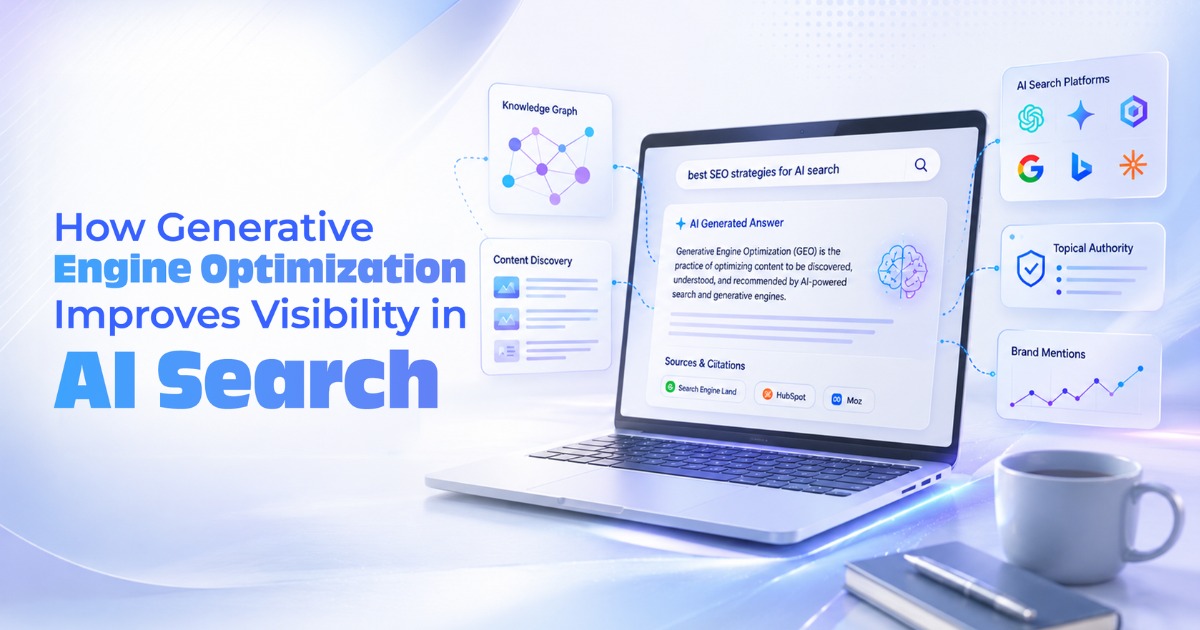
There is a tremendous change happening with how consumers find businesses online. The old concept of finding a business via searching for blue links and ranking is no longer the only way to find a product or service; now it is about finding the answer! AI search optimisation and machine learning based platforms are shifting the way users discover information, compare businesses and make choices.
More often than not, users can make their decision about which company to work with without ever having visited the company's website or searching for a company through traditional means, such as Googling. From a business perspective, this means that your business will only be visible to customers if the answer to their question includes your company, in addition to other businesses that have been included in the search results. Therefore, to stay relevant in 2026 and beyond, businesses must rethink how they approach this new way of finding customers. Below are 7 simple ways to prepare your brand for the world of AI-driven searches.
1. Understand How Your Brand Appears in AI Responses
Before implementing the change, you should assess your current performance. Use the AI tools that are likely to be used by the audience you serve to find products, services, and industry phrases. Look for mentions of your brand, the structure of responses, and if you're included at all. Do multiple searches based on slightly altered phrases to determine common trends and any gaps in your visibility to the target audience, as well as how AI interprets your market niche. In addition, begin tracking traffic coming in through AI solutions, regardless of the amount, as they may provide opportunities that grow over time.
2. Write Content That AI Can Easily Extract
Optimising for AI search systems has a higher preference for clear communication rather than creative communication. So if your information is written in an overly complicated way or has too much marketing-type verbiage, it will be more difficult for the system to read and utilise the information you have written.
Things to focus on:
Providing direct answers to common questions
Providing clear and concise explanations with solid opening statements
Organising your content with clear sections and easy-to-scan lists
Make sure that your best items are first in your writing. AI systems typically take from the first part of your writing; you need to make those first few paragraphs provide value.
3. Build Credibility Beyond Your Own Website
AI technologies depend largely on outside resources that are known to the AI tools when producing results. So as a result, your business's credibility, trustworthiness and reputation throughout the web is more important now than ever before.
To improve and expand your presence:
Obtain coverage in legitimate news and media outlets.
Engage in conversations and join discussion groups or forums related to your industry.
Encourage authentic reviews and testimonials about your business.
Using schema implementation, AI systems better interpret your content, making your brand easier to understand, validate, and surface in AI-driven search results. When your brand is consistently referenced across credible and authoritative platforms, it strengthens recognition and increases the likelihood of being trusted and recommended by AI systems.
4. Focus on Real Questions, Not Just Keywords
Traditional keyword strategies are no longer enough. People interact with AI using full, detailed questions that reflect real-life scenarios. Instead of targeting short phrases, think about:
Specific use cases
Problem-based queries
Decision-making questions
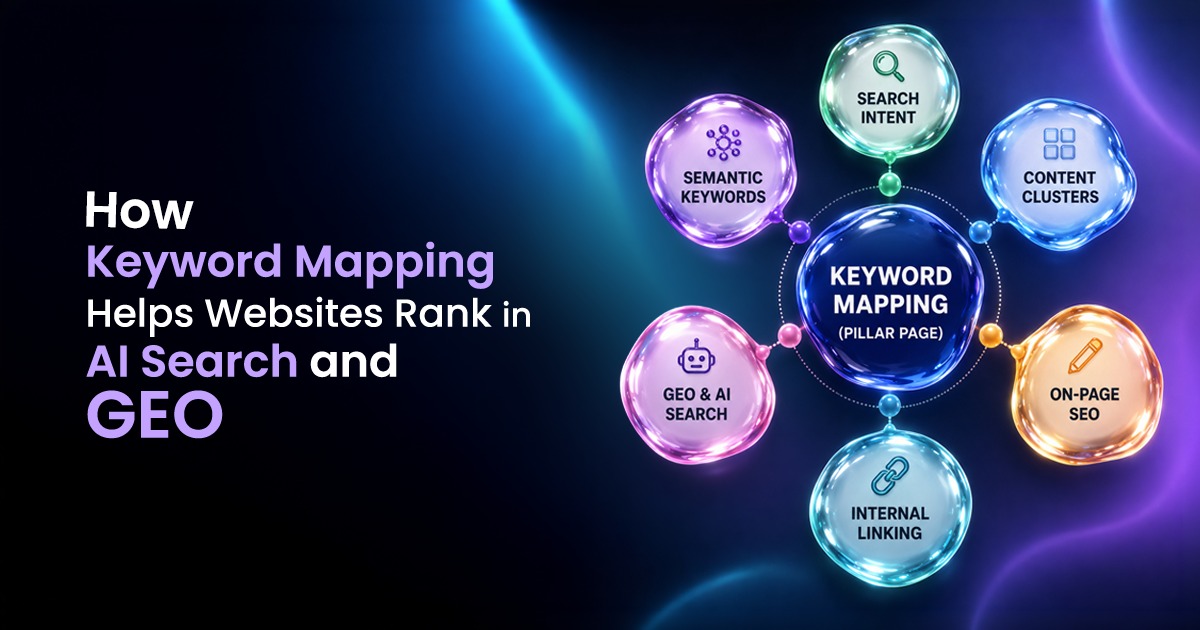
For example, users are more likely to ask, ‘What is the best solution for a small remote team with a limited budget?’ than simply typing a product category. This is where semantic content optimisation is important, aligning your content to user intention, context and natural language patterns to facilitate AI systems' understanding and accessing your content. Creating content that addresses these nuanced queries increases your chances of being included in AI-generated answers.
5. Keep Your Brand Information Consistent Everywhere
Artificial Intelligence creates relationships between web-based data points. Lack of consistency among such data can affect a company’s trust and ability to be found. So, be consistent with:
Brand description
Product specification
Formation details
Employee bios
Keep every digital presence you own, from your website to social media and business directories, accurate, active, and aligned.
A consistent brand identity increases the ability of an AI to establish confidence and provide recommendations towards that brand.
6. Reduce Dependence on Traditional Search Channels
It is becoming more and more dangerous to rely on search engines alone. With the growth of AI-generated responses taking the place of clicks, brands must find additional ways to connect with potential customers. Therefore, think about creating:
Niche online communities for email communication
Niche content platforms
Video/audio/podcast content
Direct interactions with your audience
Owning your relationship with your audience will also allow you to remain visible as traffic trends change. At the same time, investing in technical SEO for AI assures your content is structured, accessible, and easily interpretable by AI systems across platforms.
7. Continuously Track and Refine Your AI Presence
The amount of AI visibility is not fixed as it is fluid, and based on the changing landscape of models being developed and the creation of more data. Develop the following habits to help you as you monitor and manage your brand’s AI visibility:
Track where and how your business/brand appears in AI.
Check for missing or inaccurate data on your brand.
Compare your business or brand’s visibility to that of other businesses or brands.
Take care of AI mentions in the same manner you would care for any public review of your business or brand (correct incorrect or missing information through improved content, stronger authority signals, or updated data).
Final Wrap Up!
AI-powered search engines are something that’s happening NOW, and it’s changing the way searchers find and evaluate brands. The rules have changed, the competition is changing, and there’s still time to gain early visibility for your business. Brands will also need to adopt voice search optimisation in order to remain competitive since many users are now using voice assistants and AI tools to conduct searches with natural language. By optimising for conversational searches and natural page ranking, you can help grow your brand's presence in AI SEO results. Those who act quickly will not just adapt to this shift but will be able to create a competitive advantage. The real question isn’t if AI will shape how people see your brand, but which brands people will trust for answers!
We use cookies to improve your experience on our website, analyze traffic, and personalize content.
By clicking Accept, you agree to our use of cookies.